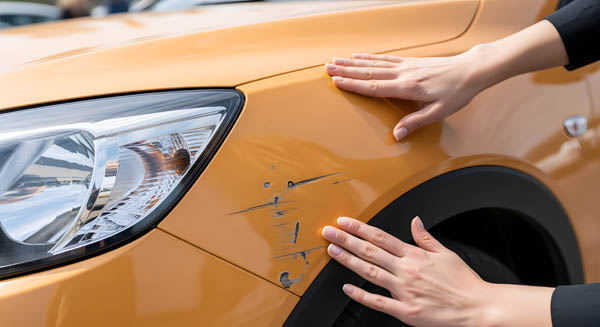
Owning a boat and rv (recreational vehicle) opens the door to adventure, relaxation, and unforgettable memories. Whether you’re exploring a scenic lake, traveling across the country, or enjoying a weekend getaway, your boat and RV represent a significant investment. As with any valuable asset, regular maintenance is essential to keep it operating safely and efficiently, as well as looking its best.
One of the most important reasons to maintain your boat and RV is to prevent costly repairs. Small issues can quickly become major problems if left unaddressed. A minor roof leak in an RV can lead to water damage, mold growth, and structural deterioration. Similarly, a small crack in a boat’s hull or neglected engine maintenance can result in expensive repairs and unexpected breakdowns. Regular inspections help identify potential problems before they escalate.
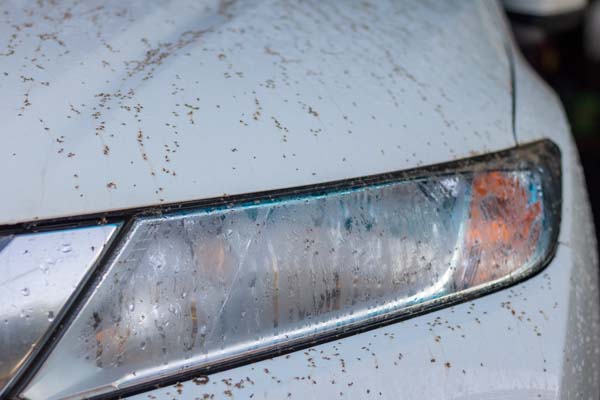
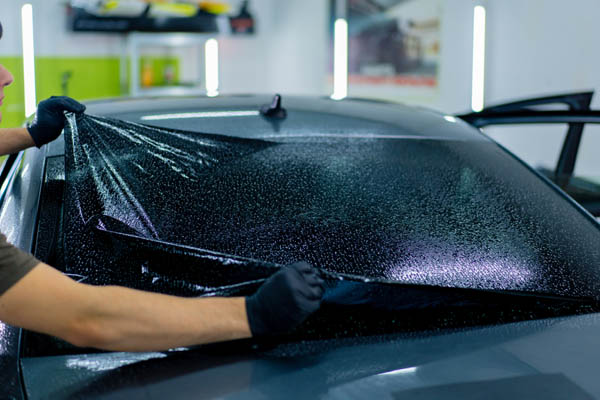
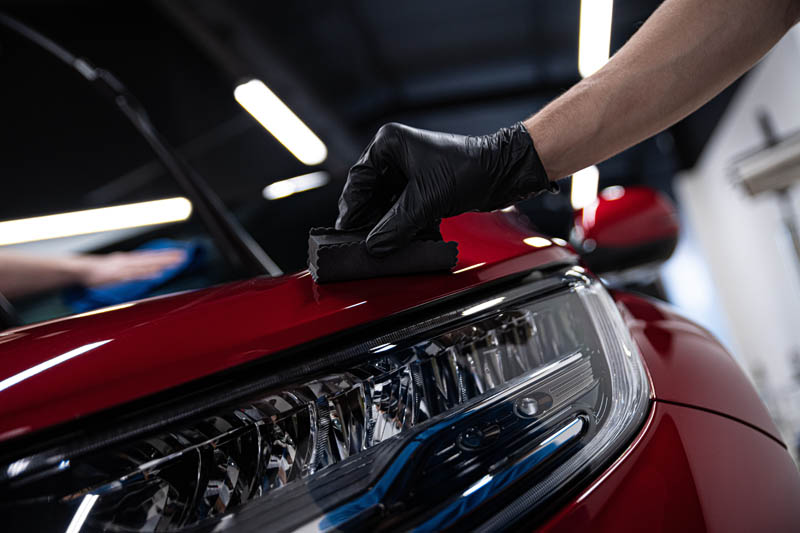
Cleaning is a critical part of maintenance for your boat and RV. Dirt, grime, road salt, bird droppings, and environmental contaminants can damage exterior surfaces over time. Boats are especially vulnerable to algae, mineral deposits, and saltwater corrosion. RVs face exposure to UV rays, rain, and road debris. Washing and protecting surfaces with quality waxes, sealants, or ceramic coatings can help preserve paint, gel coat finishes, and the overall appearance of your boat and RV.
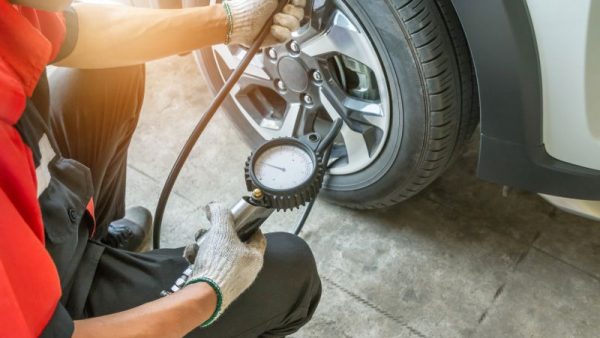
Proper maintenance also improves safety. Before every trip, RV owners should inspect tires, brakes, lights, batteries, and fluid levels. Tire blowouts are one of the most common RV-related problems and can often be prevented through routine inspections and proper inflation. Boat owners should regularly check fuel systems, steering components, navigation lights, and safety equipment. Ensuring everything is in good working condition provides peace of mind and helps protect passengers.
Protect Your Boat and RV Interiors
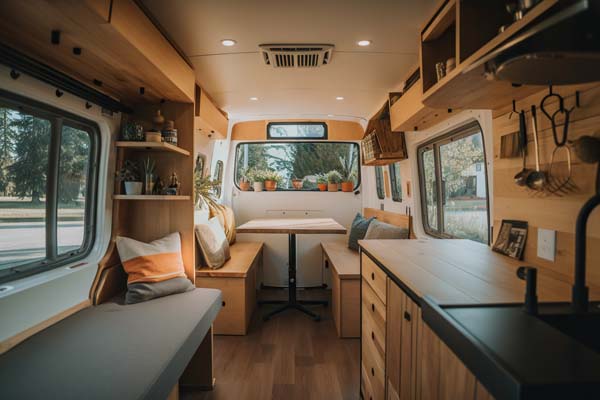
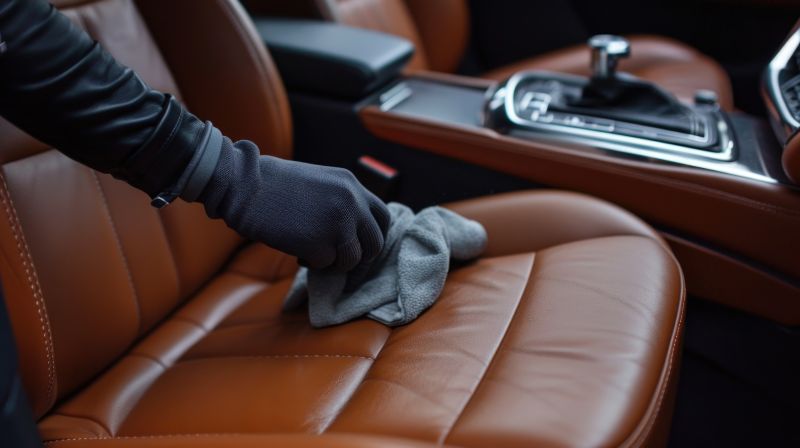
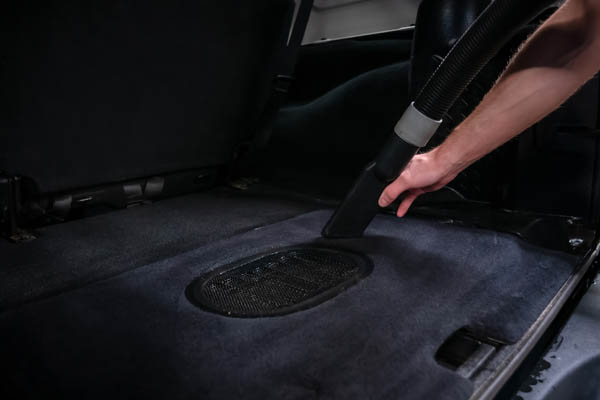
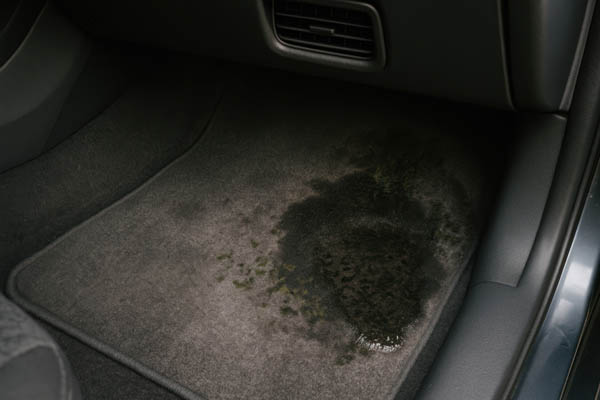
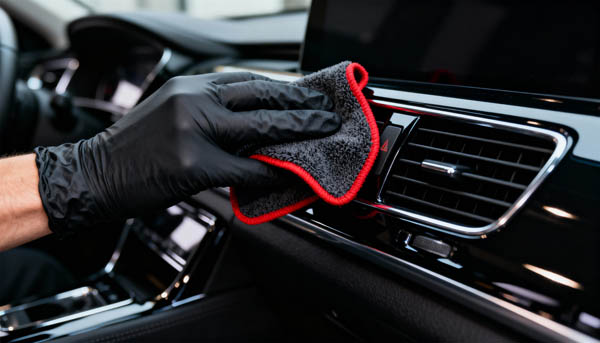
Another key area is protecting interiors. RVs often contain appliances, plumbing systems, furniture, and electronics that require periodic attention. Water leaks should be addressed immediately to prevent damage. Boats frequently feature upholstery, carpeting, and electronic equipment that can deteriorate when exposed to moisture and sunlight. Regular cleaning and conditioning help extend the life of these materials.
Seasonal maintenance is equally important. Winterizing a boat or RV helps prevent damage caused by freezing temperatures. This may include draining water systems, protecting engines, checking batteries, and covering the vehicle properly. When travel season returns, a thorough inspection ensures everything is ready for use and safe operation.
Regular maintenance also helps preserve resale value. Potential buyers are more likely to pay a premium for a boat or RV that has been well cared for and properly documented. Clean appearance, functional systems, and maintenance records demonstrate responsible ownership and increase buyer confidence.
In the end, maintaining your boat and RV is about protecting your investment and maximizing enjoyment. Consistent cleaning, inspections, and preventative care help ensure that every trip is safe, comfortable, and trouble-free. By dedicating time to regular maintenance, owners can spend less time dealing with repairs and more time creating lasting memories on the water or the open road.