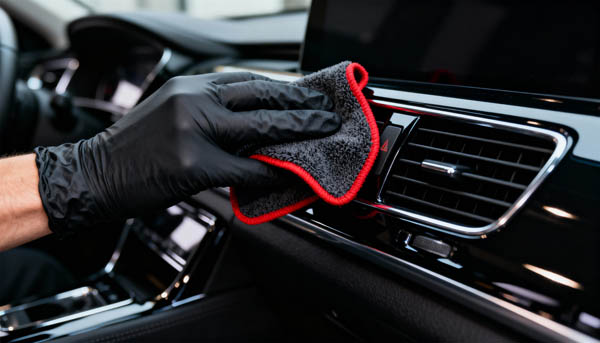
Ceramic coating protects vehicles of all kinds. Your vehicle is one of the biggest investments you’ll make and keeping it looking its best requires more than the occasional wash. Everyday exposure to the sun, rain, road grime, bird droppings, tree sap, and harmful UV rays can slowly damage your vehicle’s paint. An effective way to preserve the appearance and value of your auto is by applying a professional ceramic coating. Why? Because ceramic coating protects vehicles.
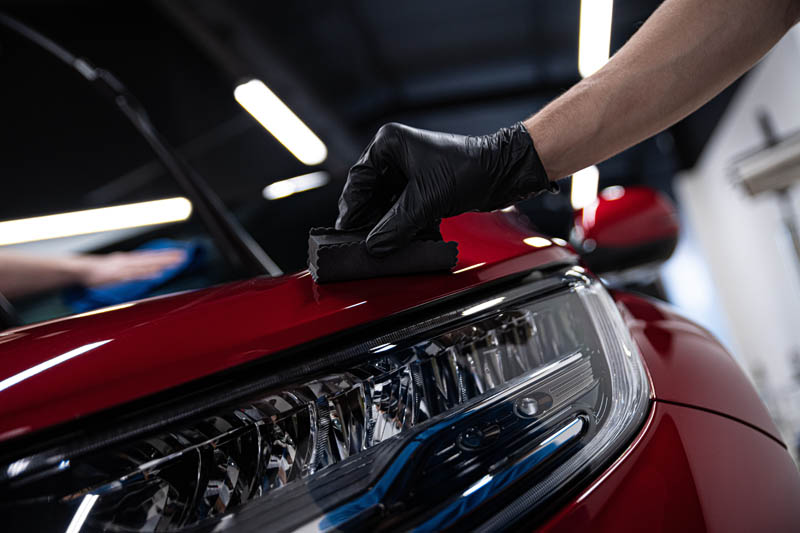
Ceramic coating is a liquid polymer that chemically bonds with your vehicle’s factory paint, creating a durable layer of protection. Unlike traditional waxes and sealants that wear away after a few weeks or months, ceramic coatings provide long-lasting protection that can last for years when properly maintained.
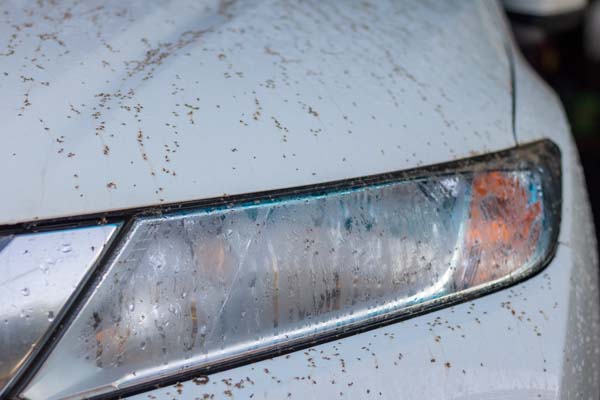
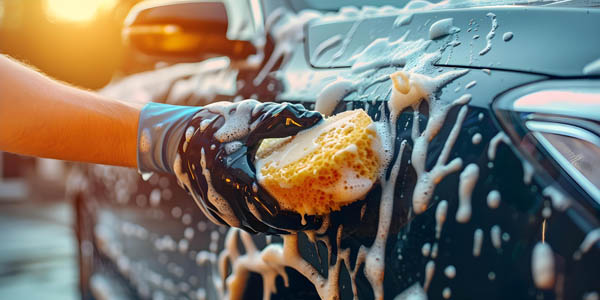
Because ceramic coating protects vehicles by shielding them from environmental contaminants, it remains a high-value investment. Dirt, dust, pollen, road salt, and other debris have a harder time sticking to the coated surface. This makes routine washing easier while helping reduce the chances of minor scratches caused by abrasive dirt during cleaning.
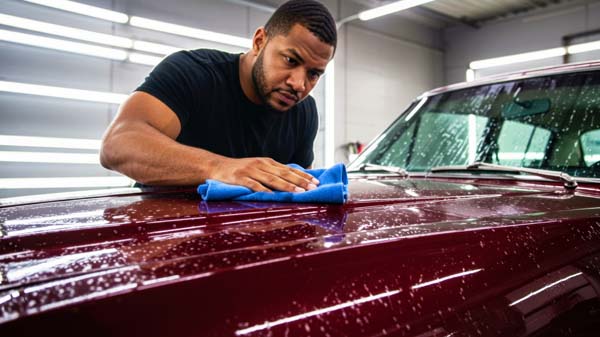
Ceramic coatings are also highly resistant to harmful ultraviolet (UV) rays. Constant sun exposure can cause oxidation, fading, and dullness over time. Ceramic coating protects vehicles by blocking much of the damage caused by UV rays and bird droppings, to name a few. Doing this will help to maintain its deep, glossy finish and vibrant color for years to come.
Ceramic Coating Protects Vehicles From Water
Another major advantage is its hydrophobic properties. Water quickly beads up and rolls off the surface, carrying dirt and contaminants with it. This “self-cleaning” effect keeps your vehicle cleaner between washes and reduces the formation of water spots. This represents another way that ceramic coating protects vehicles.
While ceramic coating provides outstanding protection, it’s important to understand that it is not indestructible. It will not prevent dents, deep scratches, or damage from major impacts. However, it does offer an extra layer of defense against light swirl marks, chemical stains, oxidation, and everyday wear that can gradually diminish your vehicle’s appearance.
In addition to protecting your paint and finish, ceramic coating can increase the resale value of your auto as a better-looking car or truck will be valued higher by potential buyers. A well-maintained exterior often makes a strong first impression on potential buyers. Paint that retains its shine and shows fewer signs of aging demonstrates that the vehicle has been properly cared for throughout its life.
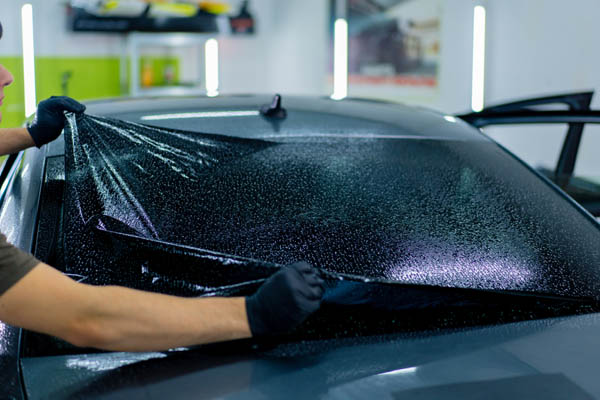
To maximize the benefits, ceramic coating protects vehicles primarily when it is applied by trained professionals. They properly prepare the paint through washing, decontamination, and paint correction if necessary. Proper preparation ensures the coating bonds correctly and performs as intended.
Whether you drive a new car, pickup truck, SUV, or luxury vehicle, ceramic coating is a smart investment that provides lasting protection, easier maintenance, and a beautiful, high-gloss finish. Uniseal provides that service and protection. With the right care, your vehicle can continue looking showroom-ready while standing up to the challenges of everyday driving.